
What is a Food Allergy?
Food allergy is a condition where the body’s immune system reacts to certain foods. Even a small amount of the food can cause symptoms. For some people, these reactions can be serious. According to the CDC, food allergies affect millions of people worldwide. Because food allergy can start at any age, it is important to know the signs and how to manage it.
Common Symptoms of Food Allergy
Food allergy symptoms can appear within minutes or up to two hours after eating. Sometimes, symptoms are mild. Other times, they can be severe. For example, some people may only get a rash, while others may have trouble breathing. Common food allergy symptoms include:
In rare cases, a severe reaction called anaphylaxis can occur. This is a medical emergency and needs quick treatment.
Causes and Risk Factors
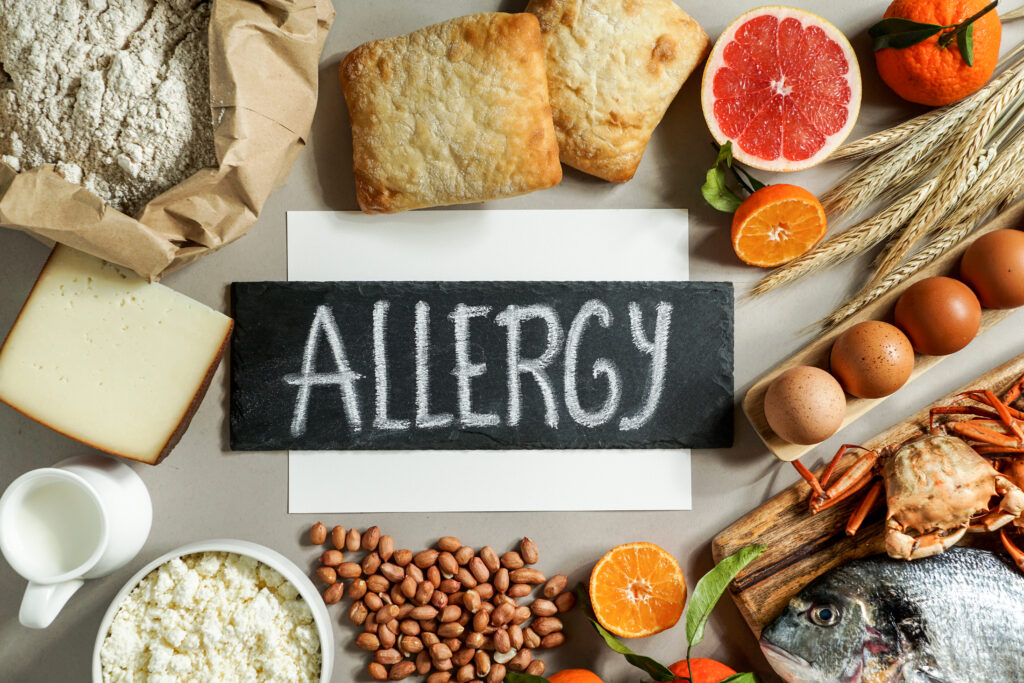
Food allergies happen when the immune system mistakes a harmless food as a threat. As a result, the body releases chemicals that cause symptoms. Some foods are more likely to cause allergies. These include:
Several factors can raise the risk of food allergy. For instance, having a family history of allergies increases your chances. Children are more likely to have food allergies, but adults can develop them too. Other allergies, such as hay fever or eczema, also raise the risk.
How Food Allergy is Diagnosed
Doctors use several steps to diagnose food allergy. First, they ask about your symptoms and medical history. Next, they may suggest tests, such as:
Because some reactions can be dangerous, these tests should only be done by a healthcare professional.
Treatment Options for Food Allergy
Currently, there is no cure for food allergy. However, there are ways to manage it. The main treatment is to avoid foods that cause reactions. If you have a food allergy, your doctor may suggest:
For mild symptoms, antihistamines may help. But for severe reactions, epinephrine is needed right away. Always seek medical help after using epinephrine.
Lifestyle Tips and Prevention
Managing food allergies takes planning. But with the right steps, you can lower your risk of a reaction. Here are some tips for preventing food allergies and managing food allergies:
In some cases, early introduction of certain foods may help prevent allergies in children. However, you should always talk to your doctor before making changes to your child’s diet.
When to See a Doctor
If you think you have a food allergy, see a doctor for proper diagnosis. You should also seek help if you have:
Early diagnosis and treatment can help you stay safe and healthy.
In summary, food allergies can be serious but are manageable. For personalized advice on food allergies, consult at Jeevan Sai Hospitals .