
Introduction
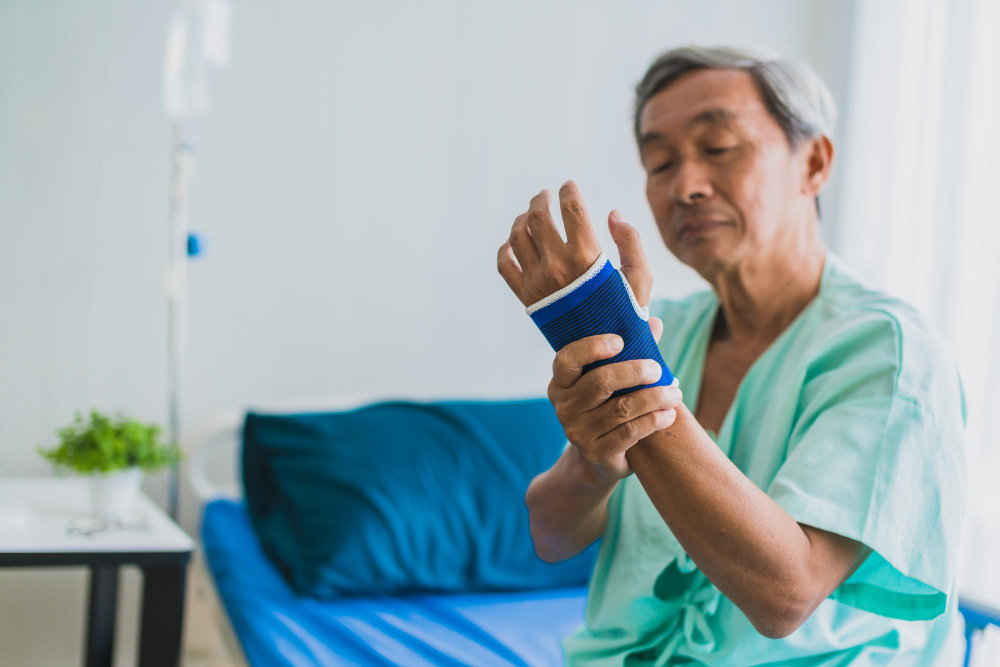
Geriatric fractures are broken bones that happen in older adults. These injuries are common because bones become weaker with age. As a result, even a small fall can cause a fracture in seniors. Geriatric fractures can affect daily life and health. Therefore, it is important to know the causes, symptoms, and ways to prevent them. This guide will help you understand fractures in the elderly and how to keep senior bone health strong.
Causes of Geriatric Fractures
Many factors make older adults more likely to have fractures. Most often, these breaks happen because of:
Because of these reasons, seniors need extra care to avoid injuries.
Symptoms of Geriatric Fractures
Often, fractures in the elderly show clear signs. However, sometimes the symptoms can be mild. Watch for these common signs:
In some cases, the pain may be mild, but it is still important to seek help quickly.
Diagnosis of Geriatric Fractures
Doctors use several methods to diagnose fractures in older adults. First, they ask about the injury and symptoms. Next, they perform a physical exam. Often, they order imaging tests to confirm the diagnosis. These may include:
Early diagnosis helps prevent further problems and speeds up recovery.
Treatment Options for Geriatric Fractures
Treatment depends on the type and location of the fracture. However, the main goals are to heal the bone and restore movement. Common treatment options include:
After treatment, regular follow-up is important to check healing and prevent complications.
Prevention Tips for Geriatric Fractures
Preventing fractures in older adults is possible with some simple steps. Here are some tips to keep bones healthy and reduce the risk of falls:
By following these steps, seniors can lower their risk of injury.
Lifestyle Guidance for Seniors and Caregivers
Living with or caring for someone at risk of geriatric fractures can be challenging. However, small changes can make a big difference. For example, encourage seniors to stay active with safe exercises like walking or gentle yoga. Also, make sure they get enough sunlight for vitamin D. In addition, keep living spaces well-lit and free of obstacles. Caregivers should watch for signs of weakness or balance problems. If needed, ask a doctor about mobility aids like canes or walkers. Most importantly, offer support and encouragement to help seniors stay independent and safe.
Conclusion
Geriatric fractures are a serious concern for older adults and their families. But with the right knowledge and care, many fractures can be prevented. Remember, strong bones and a safe home are key to senior bone health. If you or a loved one is at risk, consult a healthcare specialist at Jeevan Sai Hospitals for personalized advice on preventing and managing geriatric fractures.
Sources: Centers for Disease Control and Prevention (CDC), World Health Organization (WHO), National Institutes of Health (NIH)